Weather in London 🇬🇧
Monthly weather averages & travel planning
August
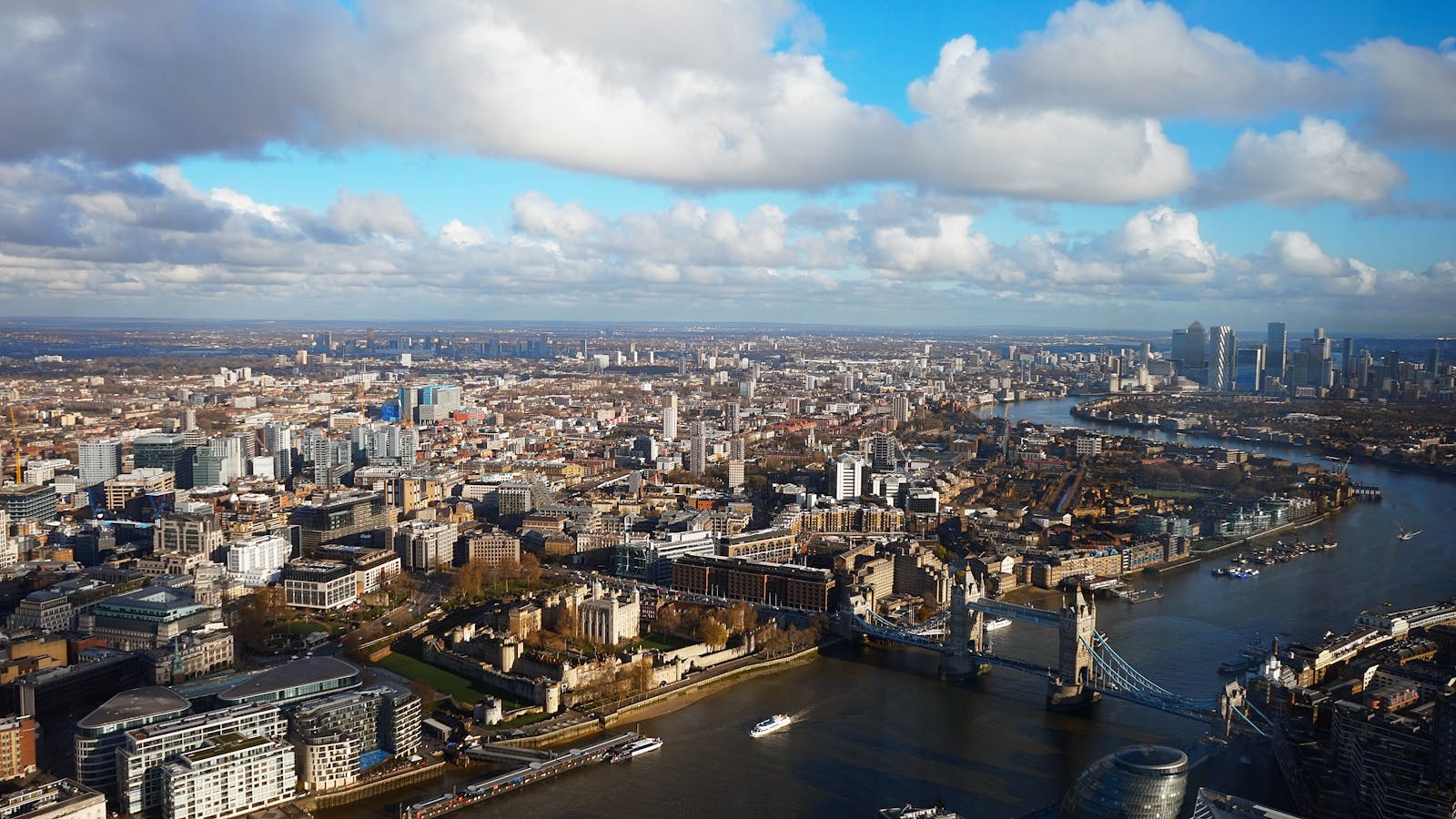
Avg Temp
21°C
Rain Days
10 days
Sun Hours
10 hrs
Humidity
65%
Europe › 🇬🇧 United Kingdom › London
Updated: March 2026
Is August a Good Time to Visit London?
7/10
Good
August is a good time to visit London (7/10). With 10 daily sunshine hours and only 10 rain days, this month delivers genuinely reliable outdoor conditions, ranking it 4th sunniest of the year in London. Culture-focused travellers and those who prefer lighter crowds will find August a practical choice, with prices running lower than peak June without sacrificing all the good weather. Notting Hill Carnival takes place this month, adding cultural value for those planning around it. The main practical note: London's popular sites are busiest between 10am and 3pm regardless of season. Arriving at opening time or after 4pm makes a significant difference to the experience. Planning tips: accommodation is generally available without long lead times, and flight prices are typically lower than peak season. Flexible travellers will find the best deals by booking 2-4 weeks ahead. Mid-week arrivals consistently unlock lower hotel rates than weekend check-ins.
vs July:22°C avg high
Step off the plane in London in August and the air meets you at around 21°C, a temperature that feels genuinely welcoming after a long flight. By the time evening arrives and temperatures settle near 13°C, the city takes on a different character entirely. With 10 hours of daylight sun on offer, August gives you the raw material for a genuinely memorable trip.
21°C
70°F
Avg High
13°C
55°F
Avg Low
10 days
61 mm total
Rain Days
10h
per day avg
Sunshine
65%
Moderate
Humidity
Temperature in London in August
The 8°C day-night temperature range is typical for continental climates: a light jacket in the morning that you shed by midday and need again after sunset. Humidity averages 65%, which is comfortable for most visitors. On warmer days, lighter fabrics help with the mild stickiness in the afternoon. UV index averages 10 this month, classed as high to very high. SPF 30+ sunscreen, a brim hat, and sunglasses are not optional between 10am and 4pm. Wind averages 18 km/h, light enough to be refreshing on warm days but noticeable in open coastal areas or elevated viewpoints. In Fahrenheit: 70°F average high, 55°F overnight low. Data sourced from Open-Meteo ERA5 climate reanalysis (1991–2020 normals).
Temperature Trends
High
Low
Rainfall (mm)
0-20 mm21-50 mm51-100 mm100+ mm
What to Wear in London in August
Morning13°CBefore the day warms up
Afternoon21°CPeak daytime temperature
Evening16°CAfter sunset cools down
Packing for London in August means dressing for 21°C days and 13°C evenings. A light cotton tee with a casual overshirt works well at 21°C, the overshirt doubles as a layer for air-conditioned venues. Evening temperatures settle at 13°C, a modest 8°C drop that a light cardigan or denim jacket covers. European cobblestones reward low-profile walking shoes over flip-flops or heels, with cushioned trainers or leather walking shoes being the practical choice. A compact foldable umbrella weighs almost nothing and earns its keep across 10 potential rainy days.
Local tip: Many of London's museums and galleries maintain cool interior temperatures regardless of outdoor conditions. A compact layer in your daypack lets you move between warm streets and chilled exhibition halls without discomfort.
Events in London in August
Notting Hill Carnival
FestivalAugust Bank Holiday Weekend
Europe's largest street festival, celebrating Caribbean culture. Over 1 million attendees over two days. Steel bands, sound systems, Caribbean food, and elaborate costumes along a 9-mile route.
LondonWhat to Pack for London in August
Based on 21°C average highs and 10 rainy days
- Light jacket or cardigan for cooler evenings
- Mix of short and long-sleeve layers
- Comfortable walking shoes with good arch support
- Compact folding umbrella
- Waterproof outer layer or packable rain jacket
- Quick-dry clothing that recovers fast after a shower
- Universal travel adapter
- Small day pack for city exploration
- Reusable water bottle
Best Activities in London in August
- Explore outdoor markets and street food stallsMid-morning (10am-12pm)At 21°C, the temperature is ideal for extended walking without overheating
- Guided walking tour of the historic centreMorning or late afternoonComfortable temperatures allow several hours on foot without fatigue
- Visit rooftop viewpoints and observation decksGolden hour (1 hour before sunset)Warm clear evenings provide exceptional visibility for panoramic photography
- Day trip to the surrounding countryside or coastFull day (depart by 8am)August is reliably dry enough for rural day trips without weather risk
- Afternoon in a world-class museum or galleryAfternoon (2-5pm)Pairs well with outdoor morning activities and provides a mid-day rest from sightseeing
- Coffee-house or traditional cafe culture experienceMid-morning or post-lunchA cultural ritual in this region that rewards slow appreciation regardless of weather
- Evening live music, theatre, or opera performanceEvening shows typically at 7-9pmConsistent evening temperatures make getting to and from evening venues comfortable
- Attend Notting Hill CarnivalCheck specific event datesA once-yearly event that defines this city in this month and draws visitors from around the world
- Try the seasonal farmer's market for local produce and street foodSaturday morning markets typically 8am-1pmAugust seasonal produce is at peak availability, offering dishes not found at other times of year
Why is London mild in August?
August in London reflects a mid-latitude climate pattern, with temperatures averaging 21°C by day and 13°C overnight. The city sits at 52 degrees north latitude, where the balance between solar radiation and heat loss drives conditions that are neither extreme nor static. Conditions occupy the comfortable middle band of the annual temperature range, where outdoor activity is feasible without the extremes of midsummer heat or midwinter cold. Day-to-night temperature variation of 8°C is moderate and manageable with a single mid-layer. Climate data: Open-Meteo ERA5 (1991–2020).
Sunshine Hours
The average number of hours per day with direct sunlight. Calculated from satellite measurements. Days with more than 7 hours of sunshine are ideal for outdoor activities. Under 3 hours means overcast conditions dominate.
UV Index
A scale from 0-11+ measuring ultraviolet radiation intensity. UV 0-2: Minimal risk. UV 3-5: Moderate, wear sunscreen. UV 6-7: High, hat and SPF 30+ essential. UV 8-10: Very High, limit midday exposure. UV 11+: Extreme, seek shade between 10am-4pm.
Rain Days
A rain day is counted when precipitation exceeds 0.1mm. This threshold captures even light drizzle. Unlike total rainfall in mm, rain days tells you how often you might need an umbrella, which is useful for planning outdoor activities.
Humidity
Relative humidity as a percentage. Below 40%: Dry, skin and throat may feel parched. 40-60%: Comfortable, ideal for most people. 60-80%: Sticky, light breathable fabrics recommended. Above 80%: Muggy, heat feels more intense; quick-dry clothing is essential.
Frequently Asked Questions
London in August
In August, London experiences average highs of 21°C (70°F) and lows of 13°C (55°F). Expect around 10 rainy days and 10 hours of sunshine per day, with humidity averaging 65%. The 8°C gap between daytime and overnight temperatures is worth planning around: light layers work for most visitors during the day, but an overshirt or cardigan handles the cooler evenings. UV index averages 10, so sun protection is advisable on clear days.
London typically sees 10 rainy days in August, with total precipitation of around 61mm. Rain is moderate and manageable. Showers tend to pass quickly, and a light rain layer or foldable umbrella is sufficient protection for most days. For context, the driest month in London typically sees 4-6 fewer rain days than August.
Pack light layers, a light jacket for evenings, comfortable walking shoes, and sunscreen for London in August. Daytime temperatures of 21°C are pleasant, but the evening drop to 13°C means a jacket is essential if you plan to be out after dark. With 10 rainy days, bring a compact umbrella or waterproof jacket for unexpected showers. Comfortable walking shoes are a priority given the amount of ground most visitors cover.
Yes, August is an excellent time to visit London. With 10 daily sunshine hours and only 10 rainy days, conditions are ideal for sightseeing and outdoor activities. Temperatures averaging 21°C during the day are comfortable for long walks and outdoor dining. This is peak travel season, so booking accommodation in advance and arriving at popular attractions early in the morning helps avoid the busiest periods.
The average high temperature in London in August is 21°C (70°F), and the average low is 13°C (55°F). The mean daily temperature is approximately 17°C (63°F). The day-to-night range of 8°C is moderate, meaning a single light jacket covers most situations. These are 30-year climate normals based on the 1991 to 2020 reference period; individual years will vary, particularly in transitional months like spring and autumn.
The best month to visit London is generally June. June offers the most sunshine at 11 hours per day and only 10 rainy days. Average temperatures reach 20°C, making it comfortable for sightseeing, outdoor dining, and exploring the city. If your travel dates are flexible, planning your trip around June gives you the best chance of dry, bright weather.
August is shoulder or low season in London, meaning fewer tourists and generally lower prices than peak months. With 10 sunshine hours and 10 rainy days, the weather is less of a draw for mass tourism. This is an advantage for travellers who prefer a quieter, more relaxed experience with shorter queues and easier accommodation availability.
In August, London suits a range of activities thanks to mild temperatures around 21°C. Mix of indoor and outdoor activities works well given the moderate chance of rain. Top options include exploring historic neighbourhoods, visiting museums and galleries, local food markets, and day trips to surrounding areas. With 10 hours of sunshine, parks and waterfront walks are particularly enjoyable.
August ranks 4th sunniest of the year in London, with an average 10 daily sunshine hours. The driest months are September, February, and March. July is the hottest month (22°C avg high); January is the coolest (7°C). From here, temperatures fall 2°C into September. Compared to last month (July: 22°C high, 11 rain days), August is cooler and drier. August sits in the middle of the annual sunshine ranking for London, offering a reasonable balance of good weather and manageable crowds.
Year-Round Climate
| Month | High | Low | Rain Days | Sun | Details |
|---|---|---|---|---|---|
| January | 7°C | 2°C | 11 | 4h | View |
| February | 8°C | 2°C | 10 | 5h | View |
| March | 10°C | 3°C | 10 | 7h | View |
| April | 14°C | 5°C | 11 | 9h | View |
| May | 17°C | 8°C | 10 | 10h | View |
| June | 20°C | 11°C | 10 | 11h | View |
| July | 22°C | 13°C | 11 | 11h | View |
| August | 21°C | 13°C | 10 | 10h | View |
| September | 19°C | 11°C | 9 | 8h | View |
| October | 15°C | 8°C | 11 | 6h | View |
| November | 10°C | 5°C | 11 | 4h | View |
| December | 8°C | 3°C | 11 | 4h | View |
January
11 rain days, 4h sun
7°2°
February
10 rain days, 5h sun
8°2°
March
10 rain days, 7h sun
10°3°
April
11 rain days, 9h sun
14°5°
May
10 rain days, 10h sun
17°8°
June
10 rain days, 11h sun
20°11°
July
11 rain days, 11h sun
22°13°
August
10 rain days, 10h sun
21°13°
September
9 rain days, 8h sun
19°11°
October
11 rain days, 6h sun
15°8°
November
11 rain days, 4h sun
10°5°
December
11 rain days, 4h sun
8°3°
Other Months in London
Plan Your Trip to London
Nearby Destinations
Cities within 500 km with comparable weather conditions
Data Sources for London
Climate normals represent 30-year averages (1991-2020). Individual years may vary.